One hope that I have when I think about working with children and families who come from diverse backgrounds are that of :-
(a) Creating an environment that is warm, rich and filled with love and respect for all.
(b) Creating an environment that depicts an anti-bias atmosphere which promotes positive and healthy opportunities for all regardless of their background.
One goal that I would like to set for the early childhood field that is related to issues of diversity, equity and social justice is 'implementing strategies that creates opportunites that articulates diversity, equity and social justice for all in a developmentally appropriate mannner that is bias and prejudice free.'
I would like to take the time out to thank all of my colleagues that I have communicated with throughout this course. Your feed backs were very rich and inspiring to me. Today, I can say that I have learn a lot from you all and I am sure you can say the same in return. Thanks again and all the best to you all in your other courses. I do hope that we meet again in the other courses.
Wednesday, 18 December 2013

Friday, 13 December 2013
Welcoming Families Around the World
I chose the early childhood setting
of a child care center to execute this scenario. The name of the country of
origin for the family who has recently emigrated from a different country that
I know nothing about that I chose is Cambodia.
Five ways in which I will prepare
myself to be culturally responsive towards this particular family are:-
(a) To
learn about this particular family background and way of life, this includes
their beliefs and values.
(b) To
be knowledgeable about this family use of language as this in key in the
communication process that will take place between the family and I.
(c) To
create a teaching and learning environment that is filled with warmth, love and
reflects power, culture and equity among all ethnic group. In doing thus, I can
encourage students to care for one another and be responsible for each other
inside and outside of the classroom.
(d) Display
equality among all by being humble, patient, honest and most of all caring for
the needs of this family and others in a clear and precise manner.
(e) To
have a one to one conference with this family. This can be done by hosting a welcoming
party.
In executing such strategies, I strongly
believe that they will be successful as mutual respect will be dispelled
amongst all. Second, the child and family will free to express self openly with
confidence. This will in turns enhance their self esteem and self concept. Third,
this will help me in a professional manner as I will be empowered towards
learning and sharing concepts on a daily basis with this family and other
respectfully.
Friday, 6 December 2013
The Personal Side of Bias, Prejudice and Oppression
My memory comes from executing a display competition at work. The day was being celebrated as ' Jamaica Day' wherein each class was given a specific topic to look at for example, food, clothing, music just to name a few. Our group got music to do. We went out and researched the topic and gave our students and parents part to do so as to enhance parents involvement as this is a key element in the education of the young ones (children). On the day of the judging our display our display was the most outstanding one yet we were placed second. After asking a few questions here and there we understood that the master judge and one of the teacher in our group had personal issues, therefore, she used it against us. Now being the person that I am very determined and dedicated towards all that I do I went to the master judge and spoke with her. Surprisingly she was not afraid to say to me, "serve her right because she needs to leave my husband alone." but when I asked my colleague about it she said that they were just good friends.
The speech of the master judge diminished equity as what she did was not called for, neither was it the time and place to deal with her personal issues. Secondly, no one was aware of the personal matter that existed among them. Therefore, she should not have used that and be biased in judging the display.
With this feeling I felt very disturbed, annoyed and disappointed because professionalism teaches that one should know how to act, conduct themselves as a professional and right there this judge did the opposite.Therefore, in order to turn this incident into an opportunity for greater equity I strongly believe that both the master judge and my colleague needs to sit and talk about their issues because in life two wrong do not make a right and sometimes what we think does not always turn out to be true. Therefore, stooping to think and talk about things make a complete difference.
The speech of the master judge diminished equity as what she did was not called for, neither was it the time and place to deal with her personal issues. Secondly, no one was aware of the personal matter that existed among them. Therefore, she should not have used that and be biased in judging the display.
With this feeling I felt very disturbed, annoyed and disappointed because professionalism teaches that one should know how to act, conduct themselves as a professional and right there this judge did the opposite.Therefore, in order to turn this incident into an opportunity for greater equity I strongly believe that both the master judge and my colleague needs to sit and talk about their issues because in life two wrong do not make a right and sometimes what we think does not always turn out to be true. Therefore, stooping to think and talk about things make a complete difference.
he
conduct, aims, or qualities that characterize or mark a profession or a
professional person"; and it defines a profession as "a calling
requiring specialized knowledge and often long and intensive academic
preparation." - See more at:
http://www.mindtools.com/pages/article/professionalism.htm#sthash.YXpzEqbp.dpuf
he
conduct, aims, or qualities that characterize or mark a profession or a
professional person"; and it defines a profession as "a calling
requiring specialized knowledge and often long and intensive academic
preparation." - See more at:
http://www.mindtools.com/pages/article/professionalism.htm#sthash.YXpzEqbp.dpuf
he
conduct, aims, or qualities that characterize or mark a profession or a
professional person"; and it defines a profession as "a calling
requiring specialized knowledge and often long and intensive academic
preparation." - See more at:
http://www.mindtools.com/pages/article/professionalism.htm#sthash.YXpzEqbp.dpuf
he
conduct, aims, or qualities that characterize or mark a profession or a
professional person"; and it defines a profession as "a calling
requiring specialized knowledge and often long and intensive academic
preparation." - See more at:
http://www.mindtools.com/pages/article/professionalism.htm#sthash.YXpzEqbp.dpuf
he
conduct, aims, or qualities that characterize or mark a profession or a
professional person"; and it defines a profession as "a calling
requiring specialized knowledge and often long and intensive academic
preparation." - See more at:
http://www.mindtools.com/pages/article/professionalism.htm#sthash.YXpzEqbp.dpuf
Saturday, 23 November 2013
Practicing Awareness of Microaggression
One example of microaggression that I have detected this week took place right in front of me at work. A little girl was sitting and doing her work with her grandmother right beside her because it was almost time for school to dismiss. Suddenly, another little girl who has been stereotype as being a troubled child came over and shouted out loudly in the girl's face. In defense of her granddaughter, the grandmother replied openly by shouted, 'move away, you good for nothing ugly dirty girl and let fly pitch on you because you are in their category'. By echoing those words the little girl ran to the other side of the classroom. Right there and then the teacher turned around and address the matter. When the little girl that did the act was asked why she did what she had did, she replied by saying, 'I was only playing with her, she is my friend and now I am sad.'
Based upon what I viewed as the microaggression took place, I personally believed that it was a childish act displayed by the little girl's grandmother and as a mother she should not have done that because what if someone else did that to her grand child I am sure she would not have liked it. It was very obvious that she had hurt the child's feelings.
My observation experiences about micraggressions this week has definitely taught me that everyone has feelings and in life we should think before we act and measure the words that are use to speak to others. It has also taught me that I should never ever try to solve a problem when I am angry but rather do so when I feel calm about a given situation.
Based upon what I viewed as the microaggression took place, I personally believed that it was a childish act displayed by the little girl's grandmother and as a mother she should not have done that because what if someone else did that to her grand child I am sure she would not have liked it. It was very obvious that she had hurt the child's feelings.
My observation experiences about micraggressions this week has definitely taught me that everyone has feelings and in life we should think before we act and measure the words that are use to speak to others. It has also taught me that I should never ever try to solve a problem when I am angry but rather do so when I feel calm about a given situation.
Saturday, 16 November 2013
Perspectives on Diversity and Culture
This week's assignment was indeed an interesting and informative one. I had the privilege of asking four persons about what culture and diversity meant. These are the answers that I received:-
Mrs B.Anderson ( former teacher, 65years old) stated that when she thinks of the term culture she strongly believes that it has to do with one's way of living , doing and expression of self in terms of their culture, religion, ethnic beliefs and values. While diversity has to do with the similarities and differences that exist round one's beliefs and values from a worldwide perspective.
Mr. S. Bramwell (22, chef) argued that culture has to deal with one's beliefs and family values. While diversity has to do with the world itself and how one interacts with it and others.
Miss. Powell (32, lecturer) stated that culture has to deal with person's way of living and beliefs that exist and is executed by family members so as to meet the needs of the dominant society at large. She strongly believes that diversity has to do with how one sees, operates within the family and the society.
Mrs Lazo (British, nurse, 45) outlined that culture is ethnicity that exists in regards to one's gender, race, religion,beliefs and values. While diversity to her means the inclusion of family culture and the society's culture that works and upholds similarities and differences.
Based on what I have been exposed to in this course about culture and diversity I can say that the answers that I have received are somewhat near as the persons seem to have an idea and clear understanding towards the terms of culture and diversity. For example Mrs Lazo is from a different culture from the other persons that were asked the questions. Yet her answer was very profound and similar to what the others had to say. I also liked the definition that Mr.Bramwell and Mrs Anderson gave as they terminologies were clear and precise.
As I reflect on what was done this week, I can truly say that I have proven that though I may share similar social identities with others we do not necessarily share the same viewpoints at times I have also seen that everyone is unique in his or her way and depicts the whole matter of culture and diversity in the manner in which these aspects are executed in their family culture from an early stage in life.
Mrs B.Anderson ( former teacher, 65years old) stated that when she thinks of the term culture she strongly believes that it has to do with one's way of living , doing and expression of self in terms of their culture, religion, ethnic beliefs and values. While diversity has to do with the similarities and differences that exist round one's beliefs and values from a worldwide perspective.
Mr. S. Bramwell (22, chef) argued that culture has to deal with one's beliefs and family values. While diversity has to do with the world itself and how one interacts with it and others.
Miss. Powell (32, lecturer) stated that culture has to deal with person's way of living and beliefs that exist and is executed by family members so as to meet the needs of the dominant society at large. She strongly believes that diversity has to do with how one sees, operates within the family and the society.
Mrs Lazo (British, nurse, 45) outlined that culture is ethnicity that exists in regards to one's gender, race, religion,beliefs and values. While diversity to her means the inclusion of family culture and the society's culture that works and upholds similarities and differences.
Based on what I have been exposed to in this course about culture and diversity I can say that the answers that I have received are somewhat near as the persons seem to have an idea and clear understanding towards the terms of culture and diversity. For example Mrs Lazo is from a different culture from the other persons that were asked the questions. Yet her answer was very profound and similar to what the others had to say. I also liked the definition that Mr.Bramwell and Mrs Anderson gave as they terminologies were clear and precise.
As I reflect on what was done this week, I can truly say that I have proven that though I may share similar social identities with others we do not necessarily share the same viewpoints at times I have also seen that everyone is unique in his or her way and depicts the whole matter of culture and diversity in the manner in which these aspects are executed in their family culture from an early stage in life.
Saturday, 9 November 2013
My Family Culture
A
major catastrophe has almost completely devastated the infrastructure
of your country. The emergency government has decided that the surviving
citizens will be best served if they are evacuated to other countries
willing to take refugees. You and your immediate family are among the
survivors of this catastrophic event. However, you have absolutely no
input into the final destination or in any other evacuation details. You
are told that your host country’s culture is completely different from
your own, and that you might have to stay there permanently. You are
further told that, in addition to one change of clothes, you can only
take 3 small items with you. You decide to take three items that you
hold dear and that represent your family culture.
If I had to decide on three items to take with me that I hold dear and represent my family culture would definitely be my bible, family album and my navel cord. These items are very precious and dear to me. First, for my bible, this is very valuable from a child growing up as well as it a way of keeping in touch with God. It is also keeps me focus and relax regardless of what is going on around me. Second, my family album which holds most of my family happiest moments spent together. It also upholds photos of older family members that I do not know. Third, my navel cord, this is very special has it upholds a great bond between my mother and I. It is where I got all my nourishments that were needed for me to develop properly from within my mother's womb.,
If upon arrival I was told that I would not be capable of taking all three items but rather one I would be very devastated. This is because all three items play a significant role in my life as well as towards my family culture. Secondly, I would be so confused as it would seem as if someone was taking my breath away from body. I definitely would feel like the whole world has turn upside down and I am beneath it. However, if I was really caught in the position wherein I had to choose I would definitely choose my bible. This is because Jesus is the center of my life and without him I am nothing. Secondly, without Jesus I would not have a family neither would I have a mother to give birth to me.
From doing this exercise, there are definitely insights that I have gain about myself, family culture, diversity and/ or cultural difference. I have gain that both family culture, diversity and cultural differences do intertwine and work collaboratively. Therefore, if one part is damage then it has an impact on the other factors that exist. I have also gain the insight that there are times when we are face with certain situations wherein we have to make a sudden decision to save our self.
If I had to decide on three items to take with me that I hold dear and represent my family culture would definitely be my bible, family album and my navel cord. These items are very precious and dear to me. First, for my bible, this is very valuable from a child growing up as well as it a way of keeping in touch with God. It is also keeps me focus and relax regardless of what is going on around me. Second, my family album which holds most of my family happiest moments spent together. It also upholds photos of older family members that I do not know. Third, my navel cord, this is very special has it upholds a great bond between my mother and I. It is where I got all my nourishments that were needed for me to develop properly from within my mother's womb.,
If upon arrival I was told that I would not be capable of taking all three items but rather one I would be very devastated. This is because all three items play a significant role in my life as well as towards my family culture. Secondly, I would be so confused as it would seem as if someone was taking my breath away from body. I definitely would feel like the whole world has turn upside down and I am beneath it. However, if I was really caught in the position wherein I had to choose I would definitely choose my bible. This is because Jesus is the center of my life and without him I am nothing. Secondly, without Jesus I would not have a family neither would I have a mother to give birth to me.
From doing this exercise, there are definitely insights that I have gain about myself, family culture, diversity and/ or cultural difference. I have gain that both family culture, diversity and cultural differences do intertwine and work collaboratively. Therefore, if one part is damage then it has an impact on the other factors that exist. I have also gain the insight that there are times when we are face with certain situations wherein we have to make a sudden decision to save our self.
Friday, 25 October 2013
When I Think of Research
What insights have you gained about research from taking this course?
In quest for knowledge and being engaged in this course, I have gained that in order to execute a valuable and authentic research; the information and resources used have to be of credible source, reliable and most of all valid. In ensuring thus, it helps in creating a positive atmosphere for the steps in the research process. Today, I am cognizant that research helps in the total execution of my roles as an educator as it gives information that is deemed to be very authentic and efficient towards making meaningful interventions for not just children that I interact with but also developing a strong and positive relationship with parents/ guardians.
Secondly, I have learned that there is a third methodological or research paradigm that can be used in executing a research that helps a research to be powerful, informative, complete and balanced (mixed method approach).
In what ways have your ideas about the nature of doing research changed?
My ideas of doing a research have totally changed because at first I thought research was very frustated, boring, time consuming and irrelevant. Howvever, today, I am rather elated, enthused and energized about executing a research on my own.
What lessons about planning, designing, and conducting research in early childhood did you learn?
I have learned that the whole process of planning, designing and conducting research all collaborate and depend on each other for a complete a research. Therefore, all three elements have to be done timely so as to help the smooth sailing of the research process to take place and be effective.
What were some of the challenges you encountered—and in what ways did you meet them?
My first challenge that I encountered was writing a hypothesis. However, with the aid from looking closely at various examples given in the course resources, I was capable of overcoming such challenge. Secondly, was differentiating between a qualitative and quantitative research. Nevertheless, with reading about thus as well as viewing examples of these researches I was able to identify the differences that lied between both researches.
What are some of the ways your perceptions of an early childhood professional have been modified as a result of this course?
My perceptions of an early childhood professional have been modified as a result of this course in a number of ways. One of such is the whole matter of research is an effective process that should be used to help guid one's practice as well as the more current research that is done the better interventions can be made towards the holistic development of our children and self.
Last but not least, I want to take time out to give thanks to all of my colleagues and instructor for your support and feed backs that were given throughout this course. Indeed they were very effective towards my well being. Thanks again and all the best to you all in your other courses!!!!!!
In quest for knowledge and being engaged in this course, I have gained that in order to execute a valuable and authentic research; the information and resources used have to be of credible source, reliable and most of all valid. In ensuring thus, it helps in creating a positive atmosphere for the steps in the research process. Today, I am cognizant that research helps in the total execution of my roles as an educator as it gives information that is deemed to be very authentic and efficient towards making meaningful interventions for not just children that I interact with but also developing a strong and positive relationship with parents/ guardians.
Secondly, I have learned that there is a third methodological or research paradigm that can be used in executing a research that helps a research to be powerful, informative, complete and balanced (mixed method approach).
In what ways have your ideas about the nature of doing research changed?
My ideas of doing a research have totally changed because at first I thought research was very frustated, boring, time consuming and irrelevant. Howvever, today, I am rather elated, enthused and energized about executing a research on my own.
What lessons about planning, designing, and conducting research in early childhood did you learn?
I have learned that the whole process of planning, designing and conducting research all collaborate and depend on each other for a complete a research. Therefore, all three elements have to be done timely so as to help the smooth sailing of the research process to take place and be effective.
What were some of the challenges you encountered—and in what ways did you meet them?
My first challenge that I encountered was writing a hypothesis. However, with the aid from looking closely at various examples given in the course resources, I was capable of overcoming such challenge. Secondly, was differentiating between a qualitative and quantitative research. Nevertheless, with reading about thus as well as viewing examples of these researches I was able to identify the differences that lied between both researches.
What are some of the ways your perceptions of an early childhood professional have been modified as a result of this course?
My perceptions of an early childhood professional have been modified as a result of this course in a number of ways. One of such is the whole matter of research is an effective process that should be used to help guid one's practice as well as the more current research that is done the better interventions can be made towards the holistic development of our children and self.
Last but not least, I want to take time out to give thanks to all of my colleagues and instructor for your support and feed backs that were given throughout this course. Indeed they were very effective towards my well being. Thanks again and all the best to you all in your other courses!!!!!!
Saturday, 5 October 2013
Research Around the World
As I view the assignments for this week I chose to browse the following website http://www.earlychildhoodaustralia.org.au/. Therefore, I am able to answer the following questions in this manner.
What are some of the
current international research topics?
Some of the current research topics include- - Child care improvement
- Quality early childhood services
- Increase investment in child care accessibility
- Fair, inclusive, quality education every child's right
- Resources to support service, families and children
- Majority of providers back quality reforms in early childhood sector
What surprising facts/insights/new ideas about early childhood did you gain from exploring this international early childhood website?As I browse through this website it was one that amazed me. It was fully equipped with a lot of informative information that is very vital and important towards the field of early childhood education and care. I have gained some facts in regards to children's behavior, parenting, social/emotional learning, service-family relationships by just browsing through the catalogue section of this international early childhood website.What other noteworthy information did you find on this website?I found out that ther are different organizations that jointly plays a part in the upliftment of the early childhood sector. I also realise that they are runned using a code of ethics which loudly and clearly speaks about quality as it relates to children's welfare.
Monday, 16 September 2013
Research that benefits children and families- Uplifting Stories
For this week I chose Option one and here is a research story done on a family:-
I hit the breaking point as a parent a few years ago. It was the week of my extended family’s annual gathering in August, and we were struggling with assorted crises. My parents were aging; my wife and I were straining under the chaos of young children; my sister was bracing to prepare her preteens for bullying, sex and cyberstalking.
I hit the breaking point as a parent a few years ago. It was the week of my extended family’s annual gathering in August, and we were struggling with assorted crises. My parents were aging; my wife and I were straining under the chaos of young children; my sister was bracing to prepare her preteens for bullying, sex and cyberstalking.
Sure enough, one night all the tensions boiled over. At dinner, I
noticed my nephew texting under the table. I knew I shouldn’t say
anything, but I couldn’t help myself and asked him to stop.
Ka-boom! My sister snapped at me to not discipline her child. My dad
pointed out that my girls were the ones balancing spoons on their noses.
My mom said none of the grandchildren had manners. Within minutes,
everyone had fled to separate corners.
Later, my dad called me to his bedside. There was a palpable sense of fear I couldn’t remember hearing before.
“Our family’s falling apart,” he said.
“No it’s not,” I said instinctively. “It’s stronger than ever.”
But lying in bed afterward, I began to wonder: Was he right? What is the
secret sauce that holds a family together? What are the ingredients
that make some families effective, resilient, happy?
It turns out to be an astonishingly good time to ask that question. The
last few years have seen stunning breakthroughs in knowledge about how
to make families, along with other groups, work more effectively.
Myth-shattering research has reshaped our understanding of dinnertime, discipline and difficult conversations.
Trendsetting programs from Silicon Valley and the military have
introduced techniques for making teams function better.
The only problem: most of that knowledge remains ghettoized in these
subcultures, hidden from the parents who need it most. I spent the last
few years trying to uncover that information, meeting families, scholars
and experts ranging from peace negotiators to online game designers to
Warren Buffett’s bankers.
After a while, a surprising theme emerged. The single most important
thing you can do for your family may be the simplest of all: develop a
strong family narrative.
I first heard this idea from Marshall Duke, a colorful psychologist at Emory University. In the mid-1990s, Dr. Duke was asked to help explore myth and ritual in American families.
“There was a lot of research at the time into the dissipation of the
family,” he told me at his home in suburban Atlanta. “But we were more
interested in what families could do to counteract those forces.”
Around that time, Dr. Duke’s wife, Sara, a psychologist who works with
children with learning disabilities, noticed something about her
students.
“The ones who know a lot about their families tend to do better when they face challenges,” she said.
Her husband was intrigued, and along with a colleague, Robyn Fivush, set
out to test her hypothesis. They developed a measure called the “Do You
Know?” scale that asked children to answer 20 questions.
Examples included: Do you know where your grandparents grew up? Do you
know where your mom and dad went to high school? Do you know where your
parents met? Do you know an illness or something really terrible that
happened in your family? Do you know the story of your birth?
Dr. Duke and Dr. Fivush asked those questions of four dozen families in
the summer of 2001, and taped several of their dinner table
conversations. They then compared the children’s results to a battery of
psychological tests the children had taken, and reached an overwhelming
conclusion. The more children knew about their family’s history, the
stronger their sense of control over their lives, the higher their
self-esteem and the more successfully they believed their families
functioned. The “Do You Know?” scale turned out to be the best single
predictor of children’s emotional health and happiness.
“We were blown away,” Dr. Duke said.
And then something unexpected happened. Two months later was Sept. 11.
As citizens, Dr. Duke and Dr. Fivush were horrified like everyone else,
but as psychologists, they knew they had been given a rare opportunity:
though the families they studied had not been directly affected by the
events, all the children had experienced the same national trauma at the
same time. The researchers went back and reassessed the children.
“Once again,” Dr. Duke said, “the ones who knew more about their
families proved to be more resilient, meaning they could moderate the
effects of stress.”
Why does knowing where your grandmother went to school help a child
overcome something as minor as a skinned knee or as major as a terrorist
attack?
“The answers have to do with a child’s sense of being part of a larger family,” Dr. Duke said.
Psychologists have found that every family has a unifying narrative, he
explained, and those narratives take one of three shapes.
First, the ascending family narrative: “Son, when we came to this
country, we had nothing. Our family worked. We opened a store. Your
grandfather went to high school. Your father went to college. And now
you. ...”
Second is the descending narrative: “Sweetheart, we used to have it all. Then we lost everything.”
“The most healthful narrative,” Dr. Duke continued, “is the third one.
It’s called the oscillating family narrative: ‘Dear, let me tell you,
we’ve had ups and downs in our family. We built a family business. Your
grandfather was a pillar of the community. Your mother was on the board
of the hospital. But we also had setbacks. You had an uncle who was once
arrested. We had a house burn down. Your father lost a job. But no
matter what happened, we always stuck together as a family.’ ”
Dr. Duke said that children who have the most self-confidence have what
he and Dr. Fivush call a strong “intergenerational self.” They know they
belong to something bigger than themselves.
Leaders in other fields have found similar results. Many groups use what
sociologists call sense-making, the building of a narrative that
explains what the groupis about.
Jim Collins, a management expert and author of “Good to Great,” told me
that successful human enterprises of any kind, from companies to
countries, go out of their way to capture their core identity. In Mr.
Collins’s terms, they “preserve core, while stimulating progress.” The
same applies to families, he said.
Mr. Collins recommended that families create a mission statement similar
to the ones companies and other organizations use to identify their
core values.
The military has also found that teaching recruits about the history of
their service increases their camaraderie and ability to bond more
closely with their unit.
Cmdr. David G. Smith is the chairman of the department of leadership,
ethics and law at the Naval Academy and an expert in unit cohesion, the
Pentagon’s term for group morale. Until recently, the military taught
unit cohesion by “dehumanizing” individuals, Commander Smith said. Think
of the bullying drill sergeants in “Full Metal Jacket” or “An Officer
and a Gentleman.”
But these days the military spends more time building up identity
through communal activities. At the Naval Academy, Commander Smith
advises graduating seniors to take incoming freshmen (or plebes) on
history-building exercises, like going to the cemetery to pay tribute to
the first naval aviator or visiting the original B-1 aircraft on
display on campus.
Dr. Duke recommended that parents pursue similar activities with their
children. Any number of occasions work to convey this sense of history:
holidays, vacations, big family get-togethers, even a ride to the mall.
The hokier the family’s tradition, he said, the more likely it is to be
passed down. He mentioned his family’s custom of hiding frozen turkeys
and canned pumpkin in the bushes during Thanksgiving so grandchildren
would have to “hunt for their supper,” like the Pilgrims.
“These traditions become part of your family,” Dr. Duke said.
Decades of research have shown that most happy families communicate
effectively. But talking doesn’t mean simply “talking through problems,”
as important as that is. Talking also means telling a positive story
about yourselves. When faced with a challenge, happy families, like
happy people, just add a new chapter to their life story that shows them
overcoming the hardship. This skill is particularly important for
children, whose identity tends to get locked in during adolescence.
The bottom line: if you want a happier family, create, refine and retell
the story of your family’s positive moments and your ability to bounce
back from the difficult ones. That act alone may increase the odds that
your family will thrive for many generations to come.
A version of this article appeared in print on March 17, 2013, on page ST1 of the New York edition with the headline: The Stories That Bind Us.
Saturday, 14 September 2013
Personal Research Journey
Upon beginning this course, I am fully charged and enthused to choose a specific topic that I deem to be of utmost interest to me.
The topic that I have chosen is, " How to deal with behavioral problems in the classroom?"
My personal reason for choosing this topic is because the whole matter of behavioral problem is not just about children acting up at times in the classroom but its a wide matter that I believe has to do with both internal and external factors. Based on my experience I think I need to indulge in gaining adequate knowledge for both my personal and professional upliftment in executing my roles and responsibilities in a positive and meaningful manner.
Upon creating the research chart, I have gained insights towards creating a research on my own as well as learning about different terminologies that are used in the research process that i consider to be of utmost use to me and my accomplishments within this course.
Therefore, my colleagues I kindly ask you to share and send any information that you have about this topic to me so as to help me gain the knowledge that I need and I too will do the same to you all in return as we work collaboratively to achieve our goals.
The topic that I have chosen is, " How to deal with behavioral problems in the classroom?"
My personal reason for choosing this topic is because the whole matter of behavioral problem is not just about children acting up at times in the classroom but its a wide matter that I believe has to do with both internal and external factors. Based on my experience I think I need to indulge in gaining adequate knowledge for both my personal and professional upliftment in executing my roles and responsibilities in a positive and meaningful manner.
Upon creating the research chart, I have gained insights towards creating a research on my own as well as learning about different terminologies that are used in the research process that i consider to be of utmost use to me and my accomplishments within this course.
Therefore, my colleagues I kindly ask you to share and send any information that you have about this topic to me so as to help me gain the knowledge that I need and I too will do the same to you all in return as we work collaboratively to achieve our goals.
Saturday, 24 August 2013
Final Blog Assignment
It is stated that knowledge is key as it helps one to excel in the world. Today, I can attest to those words.
As I embarked in doing this course, " Issues and Trends In Early Childhood" I can say that I was driven with a number of opportunities to explore resources from within my online classroom setting as well as internationally from organizations that are strong advocate of change for young children and their families.
In communicating with international correspondents via emails, listening to podcasts and viewing different websites I have attained a vast amount of knowledge that I strongly deem as being very vital and efficient to me as a professional in the field of early childhood care and education.
Therefore, I deem these consequences of learning about the international early childhood field for my professional and personal development as follow-
1. Is to obtain knowledge from others who have long years of experiences in working with children and families. In so doing, I am capable of comparing and contrasting the different strategies used by myself and others to become more effective at reaching out to children and their families on a daily basis.
2. To be aware of the different issues that are faced by others from a global perspective and analyze what is being done to minimize or eliminate the various issues or trends that are affecting young children, families and educators. This aids in strengthening me to be a better advocate of change for children.
3. To learn about different children cultural background. In learning about children and their culture, as educator I much able to reach out to different families in an unique and appropriate manner. I would also be able to have parents come and share with other parents so as to build better relationships in the teaching and learning environment.
One goal for the field related to international awareness of issues and trends and the the spirit of collegial relations is to stay united and abreast and work unitedly to bring about change in the field that speaks about equality and quality for all because everyone is equal regard less of their economic status in society. Secondly, keeping a strong communication bond with persons intrenationally as this aids in bringing across positive outcomes as we work together as one.
As I embarked in doing this course, " Issues and Trends In Early Childhood" I can say that I was driven with a number of opportunities to explore resources from within my online classroom setting as well as internationally from organizations that are strong advocate of change for young children and their families.
In communicating with international correspondents via emails, listening to podcasts and viewing different websites I have attained a vast amount of knowledge that I strongly deem as being very vital and efficient to me as a professional in the field of early childhood care and education.
Therefore, I deem these consequences of learning about the international early childhood field for my professional and personal development as follow-
1. Is to obtain knowledge from others who have long years of experiences in working with children and families. In so doing, I am capable of comparing and contrasting the different strategies used by myself and others to become more effective at reaching out to children and their families on a daily basis.
2. To be aware of the different issues that are faced by others from a global perspective and analyze what is being done to minimize or eliminate the various issues or trends that are affecting young children, families and educators. This aids in strengthening me to be a better advocate of change for children.
3. To learn about different children cultural background. In learning about children and their culture, as educator I much able to reach out to different families in an unique and appropriate manner. I would also be able to have parents come and share with other parents so as to build better relationships in the teaching and learning environment.
One goal for the field related to international awareness of issues and trends and the the spirit of collegial relations is to stay united and abreast and work unitedly to bring about change in the field that speaks about equality and quality for all because everyone is equal regard less of their economic status in society. Secondly, keeping a strong communication bond with persons intrenationally as this aids in bringing across positive outcomes as we work together as one.
Friday, 16 August 2013
Getting to Know Your International Contact- Part3
This week though a busy one for my international contact I was capable of reaching out to her via email. As suggested I presented the following questions to her and here are her responses.
What issues regarding quality and early childhood professionals are being discussed where you live and work?
In regards to quality and early childhood professionals, the focus today in the state that I live and work are strongly focusing on the training that early childhood professional receives in collaboration with neighboring states because we are trying to build a bond in ensuring that certain standards and policies all depicts the same long term goals for our young children. We are also looking at the cost that families have to pay for their children entering an early learning institution as we want to ensure that equality is given among all irrespective of different family background.
What opportunities and/or requirements for professional development exist?
As it relates to professional development, it was proposed that more parenting and teachers workshop be done. This can be very challenging at times as we have tried this before but we have gone back to the drawing board and have implemented new strategies towards working this out.
What are some of your professional goals?
For nearly 100 years, Save the Children has worked to ensure the safety and well-being of children around the world. But the challenges for this generation of America’s children—from a culture of violence to a poverty crisis that is affecting 16 million children—are unlike any we’ve seen before.
We cannot stand by and let violence, poverty and other threats become pervasive parts of childhood in America. We need everyone at the table for a national conversation to find bold, new ideas.
That’s why Save the Children is joining forces with caring people like you and our partners to call on President Obama and Congress to establish a new National Commission on Children to ensure the safety and well-being of every child.
What are some of your professional hopes, dreams, and challenges?
Some of my professional hopes is to see our mission being successful as well as our children being free from all these obstacles that they and their families are faced with on a daily basis. While my dreams are to see the field of early childhood being respected and excel in molding and shaping our children's young minds from a global perspective. As it relates to challenges, there will always be challenges but the question is what we do when they arrive is key.
It was very interesting to have received these responses from my contact.
What issues regarding quality and early childhood professionals are being discussed where you live and work?
In regards to quality and early childhood professionals, the focus today in the state that I live and work are strongly focusing on the training that early childhood professional receives in collaboration with neighboring states because we are trying to build a bond in ensuring that certain standards and policies all depicts the same long term goals for our young children. We are also looking at the cost that families have to pay for their children entering an early learning institution as we want to ensure that equality is given among all irrespective of different family background.
What opportunities and/or requirements for professional development exist?
As it relates to professional development, it was proposed that more parenting and teachers workshop be done. This can be very challenging at times as we have tried this before but we have gone back to the drawing board and have implemented new strategies towards working this out.
What are some of your professional goals?
For nearly 100 years, Save the Children has worked to ensure the safety and well-being of children around the world. But the challenges for this generation of America’s children—from a culture of violence to a poverty crisis that is affecting 16 million children—are unlike any we’ve seen before.
We cannot stand by and let violence, poverty and other threats become pervasive parts of childhood in America. We need everyone at the table for a national conversation to find bold, new ideas.
That’s why Save the Children is joining forces with caring people like you and our partners to call on President Obama and Congress to establish a new National Commission on Children to ensure the safety and well-being of every child.
What are some of your professional hopes, dreams, and challenges?
Some of my professional hopes is to see our mission being successful as well as our children being free from all these obstacles that they and their families are faced with on a daily basis. While my dreams are to see the field of early childhood being respected and excel in molding and shaping our children's young minds from a global perspective. As it relates to challenges, there will always be challenges but the question is what we do when they arrive is key.
It was very interesting to have received these responses from my contact.
Saturday, 10 August 2013
Sharing Web Resources
Upon following the outside links that I have never had explored before, I have seen that there are a number of newsletters, blogs and articles that have been written by people who are strong advocate for change in the lives of young children. The links also leads to programs that have been planned wherein some are working collaboratively with organizations such as NAEYC.
As I thoroughly searched one area of the site I found developing news about what is taking place in the far east about children's living and access to a good education. It was very profound as well as alarming to have found out that the children are living in such deplorable environment that is exposed to so much violence.
The newsletter that I received spoke about introducing new legislation that will help to enhance early learning opportunities in developing countries as well as putting into place new strategies so as to prevent 57 million of the most vulnerable, marginalized children, including those in conflict zones, from missing out on school. Here is a synopsis of the newsletter that I would like to share with you all
Save the Children thanks Congress for introducing new legislation that would help boost early learning opportunities in developing countries and prevent 57 million of the most vulnerable, marginalized children, including those in conflict zones, from missing out on school.
The Education for All Act, H.R. 2780, introduced by Representatives Nita Lowey (D-NY) and Dave Reichert (R-WA), acknowledges that without basic, quality education we will lose yet another generation of children to poverty, war and disease, according to a statement by Congresswoman Lowey.
"Education offers children in some of the toughest parts of the world a chance at a brighter future. Yet millions of children living in poverty and conflict zones are robbed of the opportunity to learn and fulfill their potential," said Carolyn Miles, president and CEO for Save the Children. "Save the Children applauds Representatives Lowey and Reichert for being a vital voice for these often forgotten children and calling for an investment in their futures."
If passed, this legislation would help millions more children in developing countries realize their dreams of getting an education and create a positive ripple effect on families, communities and nations overall.
The newsletter that I viewed indeed contained information that enhance my understanding of equity and excellence in early care and education as it gave information that was linked closely to the resources that were presented to me about equity in early care and education for young children. It also informed me that there are persons that are working assiduously towards implementing strategies and programs to help young children.
I have gain this week that the same issues and trends topics that are being focused on in this course are some of the same things that this weebsite are lobbying about unbehalf of young children and their families from a global perspective. i have also seen that the information are all similar.
As I thoroughly searched one area of the site I found developing news about what is taking place in the far east about children's living and access to a good education. It was very profound as well as alarming to have found out that the children are living in such deplorable environment that is exposed to so much violence.
The newsletter that I received spoke about introducing new legislation that will help to enhance early learning opportunities in developing countries as well as putting into place new strategies so as to prevent 57 million of the most vulnerable, marginalized children, including those in conflict zones, from missing out on school. Here is a synopsis of the newsletter that I would like to share with you all
Save the Children thanks Congress for introducing new legislation that would help boost early learning opportunities in developing countries and prevent 57 million of the most vulnerable, marginalized children, including those in conflict zones, from missing out on school.
The Education for All Act, H.R. 2780, introduced by Representatives Nita Lowey (D-NY) and Dave Reichert (R-WA), acknowledges that without basic, quality education we will lose yet another generation of children to poverty, war and disease, according to a statement by Congresswoman Lowey.
"Education offers children in some of the toughest parts of the world a chance at a brighter future. Yet millions of children living in poverty and conflict zones are robbed of the opportunity to learn and fulfill their potential," said Carolyn Miles, president and CEO for Save the Children. "Save the Children applauds Representatives Lowey and Reichert for being a vital voice for these often forgotten children and calling for an investment in their futures."
If passed, this legislation would help millions more children in developing countries realize their dreams of getting an education and create a positive ripple effect on families, communities and nations overall.
The newsletter that I viewed indeed contained information that enhance my understanding of equity and excellence in early care and education as it gave information that was linked closely to the resources that were presented to me about equity in early care and education for young children. It also informed me that there are persons that are working assiduously towards implementing strategies and programs to help young children.
I have gain this week that the same issues and trends topics that are being focused on in this course are some of the same things that this weebsite are lobbying about unbehalf of young children and their families from a global perspective. i have also seen that the information are all similar.
Saturday, 3 August 2013
Getting to Know Your International Contacts- Part2
This week I did not get a response from my international contact. Therefore, I visited the Harvard University website to complete the assignment given.
The new insights and information that I have gained from the Harvard website is the collaborative work that is being done within the Brazilian community wherein doctors, politicians along with educators and other stakeholders to implement various strategies to better enhance the early childhood policies and practices in their country so as to better educate and uplift the education of young children.
Secondly, is the effective measures that the Zambian Ministry of Education, the Examination Council of Zambia, UNICEF, the University of Zambia, and the Center on the Developing Child at Harvard University have all collaborated and have launched the Zambian Early Childhood Development Project (ZECDP) so as to measure the effects of an ongoing anti-malaria initiative on children’s development in Zambia. They have created a new comprehensive instrument for assessing children’s physical, socio-emotional, and cognitive development before and throughout their schooling careers. This I believe is indeed a great implementation so as to ensure that young children are grown health and free from diseases that are decremental to their growth and development.
Third, the additional information about issues of equity and excellence that I have acquired is that is very good be knowledgeable about what is going on in the lives of children not only in my country but from a global ppoint of view. In so doing, I am capable of share new knowledge with others as well as show appreciation towards what I have inn life because not everyone is granted the same opportunities towards what they would desire in life. I have also gained that a lot is being done to save the future of the children on a hold which I deem to be very important because they are the future.
The new insights and information that I have gained from the Harvard website is the collaborative work that is being done within the Brazilian community wherein doctors, politicians along with educators and other stakeholders to implement various strategies to better enhance the early childhood policies and practices in their country so as to better educate and uplift the education of young children.
Secondly, is the effective measures that the Zambian Ministry of Education, the Examination Council of Zambia, UNICEF, the University of Zambia, and the Center on the Developing Child at Harvard University have all collaborated and have launched the Zambian Early Childhood Development Project (ZECDP) so as to measure the effects of an ongoing anti-malaria initiative on children’s development in Zambia. They have created a new comprehensive instrument for assessing children’s physical, socio-emotional, and cognitive development before and throughout their schooling careers. This I believe is indeed a great implementation so as to ensure that young children are grown health and free from diseases that are decremental to their growth and development.
Third, the additional information about issues of equity and excellence that I have acquired is that is very good be knowledgeable about what is going on in the lives of children not only in my country but from a global ppoint of view. In so doing, I am capable of share new knowledge with others as well as show appreciation towards what I have inn life because not everyone is granted the same opportunities towards what they would desire in life. I have also gained that a lot is being done to save the future of the children on a hold which I deem to be very important because they are the future.
Saturday, 27 July 2013
Sharing Web Resources
As I continue to explore the website " Save the Children" there are various sections or information that I have explore that seems particularly relevant to my current professional development as there are tips that are given to better improve my way of thinking, action towards the growth and development of young children. There are also sections that are implemented to inform me of what I can do to help young children who are in dilemma for help as soon as it can be given to them.
One specific section is there that informs about the importance/power of education to the nations children both near and far on a global perspective. This sections gives me as a profession tips that I can use to empower my skills and thoughts in working with children on a daily basis.
Therefore, as I explore the website this week I found this newsletter that gave an insight of what is being done to help children be exposed to a proper education. This newsletter is entitled , " HEART: healing and education through the arts" Here is a synopsis-
Imagine growing up trapped in a cycle of extreme poverty, limited opportunity and turmoil from the loss of a loved one to HIV/AIDS or from a home left in ruins after a natural disaster or conflict. Any of these hardships can take a huge toll on a child’s emotional well-being and learning power.
That’s why Save the Children created a new education approach that brings the proven power of artistic expression – drawing, painting, music, drama, dance and more – to children in need around the world. HEART helps children heal emotionally and learn critical skills, so they can achieve their highest potential.
Preschoolers and school children in Haiti, Malawi, Mozambique and Nepal are already benefitting from HEART. In fact, HEART has reached more than 10,000 children. Save the Children aims to reach more than 50,000 children by 2015.
This newsletter made me think very positively as it is a program that is here in my country that helps both the young and old to achieve their desired goals and aspirations in life. However, based on what the newsletter is entailed it displays and adds to my understanding towards what the economist, neuroscientist or politician supports within the early childhood field. I say this simply because these persons together thinks highly about the future of young children as they are seen as the drivers of change within the society and here in the newsletter they outline the benefits of the program towards children's stability.
Finally, I have gained insights that the field of early childhood education should be taken seriously at all times because everyday things do change and as it relates to children they need to be exposed to environment that are always conducive to learning.
Saturday, 20 July 2013
Getting to know International Contacts
This week I researched poverty in India from the Childhood Poverty website. It was very profound to have read about these children and their families that were living in poverty. Overall, I chose the case study of a boy named Nanuram who is twelve years old living with his parents and two siblings (7 and 8 year olds) in a Tonk district that is located in the north-western Indian state of Rajasthan. His father works as a casual labourer on his land and also own some livestock while his mother does the household chores along with agricultural work and animal husbandry.
Nanuram is enrolled in Class VIII in a school that is located approximately 2 kilometres away from his village.Therefore, he walks to school together with other children from his village.Due to the death of his grandfather, Nanuram father burrowed a lot of money to finance his funeral and was unable to repay therefore, his lost a portion of his land and due to severity of drought his father was unable to make ends meet for his family. Therefore, Nanuram was pushed into earning to make an income so as to help ends meet for his family by selling ice cream.
Upon selling ice cream Nanuram was cheated by many persons, some of which credited ice cream from him and did not pay, older boys robbed him and stated that he sold it too expensive and due to hot weather conditions a lot of it melted. There are also times when there is too much household work for him to do and so he is unable to go to Chan to buy the ice cream. However, when he does sell ice cream, he is able to earn on average 30-40 Rupees a day. Of this sum, he gives 25 Rupees to his mother and keeps the rest for his own needs. He saves up his money to have clothesm,ade for himself.
Nanuram is troubled by the fact that his father is an alcoholic and is sometimes violent with his mother. He attributes his father’s frustration and ensuing violent behaviour to the family’s poor standard of living.
As I read the case, I was truly touched to know that at the age of twelve years old a child as to be working so hard to help his family as well as do a lot of house chores and attend school. I have learned that life is not easy at all for a lot of people living the world and even though their are organizations formed to help combat some of these issues and trends a number of perons are still left behind without getting any aid or assistance.
My new insights on the issue of poverty is that I think its level is increasing globally and children are struggling and are being stiffled towards their childhood years.It is a very ande serious issue that needs to be dealt with unitedly.
Friday, 12 July 2013
Web Resource I Chose
The name that I have selected is "Save the Children" and its link is http://www.savethechildren.org
Description of organization focus
Save the Children is the leading independent organization creating
lasting change in the lives of children in need in the United States and
around the world. Recognized for our commitment to accountability,
innovation and collaboration, our work takes us into the heart of
communities, where we help children and families help themselves. We
work with other organizations, governments, non-profits and a variety of
local partners while maintaining our own independence without political
agenda or religious orientation.When disaster strikes around the world, Save the Children is there to save lives with food, medical care and education and remains to help communities rebuild through long-term recovery programs. As quickly and as effectively as Save the Children responds to tsunamis and civil conflict, it works to resolve the ongoing struggles children face every day — poverty, hunger, illiteracy and disease — and replaces them with hope for the future.
Their Values
Each and every staff member and volunteer of Save the Children shares the values that, either individually or through teamwork, drive our breakthroughs for children.- Accountability: We take personal responsibility for using our resources efficiently, achieving measurable results and being accountable to supporters, partners, and most of all, children.
- Ambition: We demand the best of ourselves and our colleagues, set high goals and firmly commit to improving the quality of everything we do for children.
- Collaboration: We respect and value each other, thrive on our diversity and work with partners to leverage our global strength in making a difference for children.
- Creativity: We are open to new ideas, embrace change and take disciplined risks to develop sustainable solutions for and with children.
- Integrity: We aspire to live to the highest standards of personal honesty and behavior; we never compromise our reputation and always act in the best interests of children.
Their Focus
Save the children protect children from abuse, neglect, exploitation and violence in all regions of the world. Their programs focus on the most vulnerable children while aiming for the safety and well being of all children. Working with governments, international organizations, and local
community partners, we strive to create lasting change with improvements
in policy and services that protect children whether in a natural
disaster, conflict, or development setting. In 2012, we helped 3.4
million children through our child protection programs. Some examples of our child protection program activities include creating
Child Friendly Spaces in emergencies, reunifying separated and
unaccompanied children with their families in emergencies, developing
public awareness campaigns against child trafficking, piloting training
programs for social workers to provide supportive care to families and
children and advocating for more effective national protection policies
and child welfare reform. An important part of all of Save the
Children’s child protection work, however, is the participation and
leadership of the children themselves. To this end, we actively support
child clubs and other child-led activities that educate children on how
to protect themselves, and empower them to call for action in their
communities.
Issue from newsletter that caught my attention
WESTPORT, Conn. (July 11, 2013) — Almost
50 million children living in conflict-affected countries are being
denied the chance to go to school, while the number of reported attacks
on education is rising, Save the Children has said.The number of reported incidents of children being stopped from accessing education, physically attacked or recruited by armed groups has increased sharply over the past year, after monitoring efforts were stepped up in the face of the deteriorating situation in Syria and concerns over girls' access to education in parts of South Asia and sub-Saharan Africa.
In a new report published today, Save the Children documents the impact of conflict on education, and includes new research done for Save the Children by UNESCO's Education for All Global Monitoring Report (EFAGMR) that finds 48.5 million children living in conflict areas are currently out of school, more than half of them at primary school age.
The conflict in Syria has contributed to the sharp increase in the number of reported incidents, according to Save the Children. Of more than 3,600 incidents recorded in 2012, more than 70 percent were in Syria.
The new research comes as Pakistani schoolgirl Malala Yousafzai addresses the UN General Assembly on July 12 in her first public speech since she was attacked by gunmen on her way to school in Pakistan last October.
The report finds:
- Of the nearly 50 million children aged between six and 15 out of school in conflict-affected countries in 2011, 28.5 million were primary school children, more than half of them girls.
- In 2012, there were 3,600 documented attacks on education, including violence, torture and intimidation against children and teachers, resulting in death or grave injuries, the shelling and bombing of schools and the recruitment of school-aged children by armed groups.
- Since the start of the Syria conflict, 3,900 schools have either been destroyed, damaged or are being occupied for purposes other than education.
- I am in ninth grade but this war stopped me from graduating. I should have graduated and gone to high school, to start building my future but no… my future is destroyed. – Motassem, 13, Syria
- The day the rebels came, they destroyed the school. They went into the headmaster's office and destroyed everything; they destroyed the students' papers. – Salif, 13, Mali
- Young people in the village are approached by guerrillas to recruit them. My cousin was tricked into going with them four months ago and I haven't heard from her in a month. – Paula, 15, Colombia
"Conflict is holding back progress, preventing millions of children from going to school every year. Our new analysis shows that children out of school in conflict-affected countries are being forgotten. Many of the affected children will never resume their education, and will be scarred physically and psychologically for life," said Pauline Rose, Director of the Global Monitoring Report.
Despite the high levels of children out of school and the sharp increase in attacks, levels of funding for education in humanitarian emergencies remain shockingly low. Education funding has continued to fall from 2 percent of overall humanitarian funding in 2011 to only 1.4 percent of overall humanitarian funding in 2012, below the 4 percent that the global community has been calling for since 2010.
Save the Children is the leading independent organization for children in need, with programs in more than 120 countries, including the United States. We aim to inspire breakthroughs in the way the world treats children, and to achieve immediate and lasting change in their lives by improving their health, education and economic opportunities. In times of acute crisis, we mobilize rapid assistance to help children recover from the effects of war, conflict and natural disasters. Follow us on Twitter and Facebook.
Notes to editors:
- In 2011 there were 28.5 million children aged between 6 and 11 out of school in conflict areas, compared to 28 million in 2008. The report for the first time includes the number of teenagers between ages 12 and 15 out of secondary school in conflict areas, totaling 20 million, giving a combined total of 48.5 million.
- The Education For All Global Monitoring Report (EFAGMR) is developed annually by an independent team and published by UNESCO.
- The analysis provided by the EFA GMR for this partnership with Save the Children is an update of calculations found in the 2011 EFA GMR, The hidden crisis: armed conflict and education.
- In 2012, the UN Secretary General presented an annual report "Children and Armed Conflict" to the UN Security Council. Save the Children referenced this report and counted 3,643 attacks on education.
- Since the start of the Syria conflict, 3,900 schools have either been destroyed, damaged or are being occupied for purposes other than in education. This number is based on figures reported by UNICEF in January 2013, which includes revised figures provided by the Syrian Ministry of Education in December 2012 and new figures obtained through ongoing education needs assessments carried out by UNICEF and partners in various parts of the country.
Upon reading this news letter, I can definitely see the crisis that young children living in that volatile area has to go through along with their families and educators. It is rather devastated to have found out such information.
| . |
Saturday, 6 July 2013
E stablishing Professional Contacts and Expanding Resources
This week for my week1 assignment, I was granted the opportunity to contact professionals outside of the United States. Unfortunately, I was unable to access the various sites given. Therefore I have to deviate to the alternative assignment. The process has been much better as I was able to make contact with " SAve the Children". I am in the process now of awaiting newsletters concerning various issues affecting young children and information on what is being done to eliminate or minimize the issues at hand. I patiently await these information to share with my colleagues.
I chose this organization because as I read their mission statement and ads about what they have been doing, I must truly say that it has grasp my attention as I am very passionate about children and their well being.
I chose this organization because as I read their mission statement and ads about what they have been doing, I must truly say that it has grasp my attention as I am very passionate about children and their well being.
Saturday, 15 June 2013
My Supports
It is without a doubt in mind that my support is my husband . As I look at my husband being a supportive factor in my life, I can describe him as being a tower of strength to me. He has always been beside me giving me encouraging words as it relates to emotional, physical, social well being and most important financially. The benefits for having these supports are indeed of utmost importance and vital to my life as an independent individual because in life one can be faced with numerous challenges that might be more than what he or she can manage independently. Therefore, its a joyous feeling to know that you can have someone to share your needs and desires with that can give you encouraging words to build your self- esteem and confidence. However, without having these supports I can truly say that it would be very challenging as well as confusing not knowing what to do at times because there comes a point in life wherein you are faced with situations wherein you just don't know what to do inorder to find a suitable solution. Therefore, I would not even want to think about what impact it would have if he was not around.
The challenge that I chose to imagine is being a single- parent. I| personally think that it would be a very big challenge for me because at times it is rather challenging to be a mom, teacher, wife and additional chores. In having my husband around as a supportive factor, everything is balanced as we share chores, ideas to accomplish dersired needs and want. This I must say is very beneficial.
The challenge that I chose to imagine is being a single- parent. I| personally think that it would be a very big challenge for me because at times it is rather challenging to be a mom, teacher, wife and additional chores. In having my husband around as a supportive factor, everything is balanced as we share chores, ideas to accomplish dersired needs and want. This I must say is very beneficial.
Saturday, 1 June 2013
My Connections to Play
Quotes on play
"Play is our brain's favorite way of learning."(Diane Ackerman)-Contemporary American author)
"Children need the freedom and time to play. Play is not a luxury. Play is a necessity."- (Kay Redfield Jamison)-Contemporary American professor of psychiatry
I can definitely recall as a child growing I loved playing with dolls pretending to be a teacher and mom at all times. Secondly, I like riding bicycles around the block and at the park with my neighbors on the weekends.
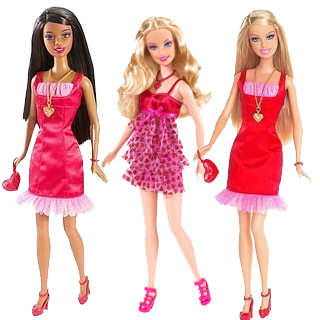
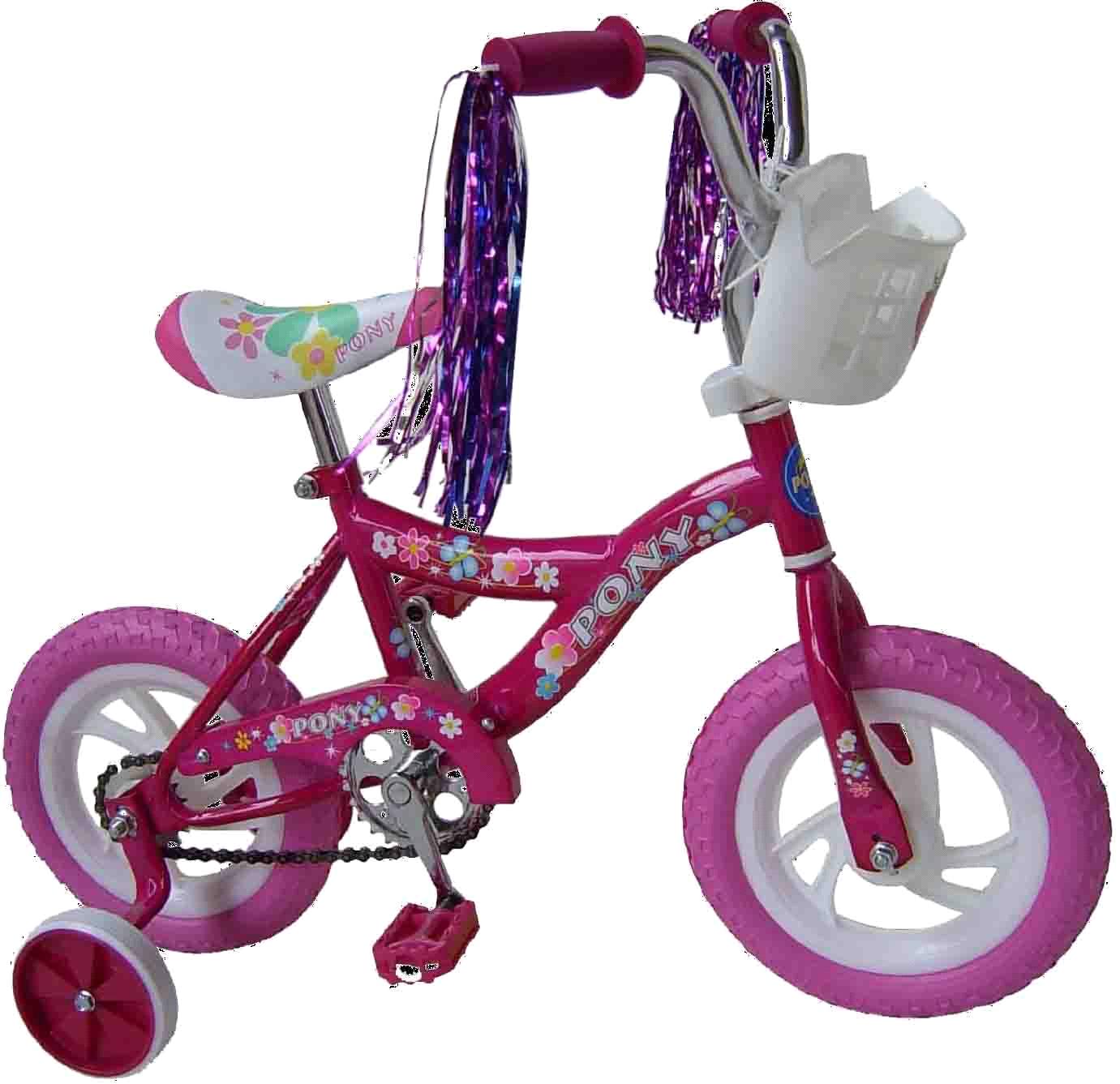
During my childhood days I can recall being engaged in play activities a lot both in and out of my home environment. I can remember my mom bought a big chalkboard for my sister and I to play with and we would use it to pretend teaching one another. We also used it to teach our dolls and plants at home. We were allocated a lot of playtime experiences. At school we were given a lot of opportunity to play both in and out of the classroom environment. Play activities were sometimes planned by my teacher and sometimes we were just allowed free play session wherein we did anything that we felt like doing with our friends. Therefore, I can truly say that play was fully supported by both my family members and educators as a young child growing up.
As it relates to play today, I have observed that not everyone supports it. Some people believe that the children are just running up and down and making noise. I also have observed that even at some schools the whole process of play is ignored and children are exposed to a structured setting of learning, they are not given the opportunity to express and socialize through play as they would have like to at all. I therefore, can strongly say that the whole process of play today is totally different to what I was exposed to as a child. However, I strongly hope that everyone that is involved in interacting with children on a daily basis be educated about the important of play towards the growth and development of their children because through play children are capable of learning skills that no one else can teach them. This is simply because play is self-oriented and intrinsically motivated that unfolds naturally from within.
My thoughts as it regards to the role of play throughout life is that it is very essential towards the development of domains for example brain development which is very crucial in everyone lives. Therefore, I strongly believe that it should be exercised throughout one's life leading into adulthood.
Saturday, 18 May 2013
Relationship Reflection
" No man is an island and definitely no man stands alone."
Relationship/ partnership is indeed of great importance to me because through building a good relationship/ partnership I am able to create atmospheres that are conducive for both myself, family and friends to feel comfortable, loved and cared for at all times. In postulating good and effective relationship/partnership it aids in effective communication that is a key opponent in maintaining a high level of trust and reassurance within a relationship. Therefore, my family is very important to me as they are my driving force that encourages me each day to stay level headed to attain my desired goals and aspirations in life.

My husband, my motivator and best friend

My mom, my counsellor

My sister, my motivator
Relationship/ partnership is indeed of great importance to me because through building a good relationship/ partnership I am able to create atmospheres that are conducive for both myself, family and friends to feel comfortable, loved and cared for at all times. In postulating good and effective relationship/partnership it aids in effective communication that is a key opponent in maintaining a high level of trust and reassurance within a relationship. Therefore, my family is very important to me as they are my driving force that encourages me each day to stay level headed to attain my desired goals and aspirations in life.

My husband, my motivator and best friend

My mom, my counsellor

My sister, my motivator
I uphold a very positive and strong relationship with my family. They are always there for me both in the good and bad times. They are always there empowering me and in return I do the same for them at all times. In regards to my relationship with my husband, it is one that is very open, honest. Factors that contribute to our lives is that we try to uphold a an effective communication process wherein we do not feel inferior to express ourselves within a positive and humble manner at all times. While for the relationship with my mother and sister, we try to ensure that the process of communication is fully exercised as through this process we are capable of attending to each others needs at all times.
In life we are not promised that everything will run smoothly because there must be a point in time wherein we are challenged. Therefore, the challenges that I have experienced over a period of time in developing and maintaining a relationship/partnership is that we are all separate individuals that were born uniquely in our own ways, therefore, at times we may disagree on certain situations but we have learned to compromised and be just in our decision makings so that at the end of each matter that arises the solutions made displays some form of equality wherein everyone has a mutual understanding towards what has occurred.
Some characteristics of these relationships that helps to make them partnership are:-
- People pleasing is kept to a minimum and neither one feels they are making a "great sacrifice" to stay in the relationship. Each person is able to do their work, attend to their children, care for other aspects of their life without threatening the relationship.
-
Partners can hear feedback from each other that they may be projecting old relationship fears or issues onto the current relationship.
-
There is commitment: exits are blocked in the relationships.
-
There is unconditional love if not unconditional agreement.
-
The relationship feels and is nuturing, comfortable,and fun.Finally, my experiences with relationship/partnership can impact my work as an early childhood professional as I have learned from my experience that communication is the most effective and important aspect of a relationship/ partnership that has to be executed to maintain balance in the program that work each day. Through the process of communication i am able to give meaning feed backs to both children's parents/guardians, administrators as well as gain insights for myself to plan and implement strategies to help in the growth and development of the children in which I interact with each day.
Subscribe to:
Comments (Atom)