This week I did not get a response from my international contact. Therefore, I visited the Harvard University website to complete the assignment given.
The new insights and information that I have gained from the Harvard website is the collaborative work that is being done within the Brazilian community wherein doctors, politicians along with educators and other stakeholders to implement various strategies to better enhance the early childhood policies and practices in their country so as to better educate and uplift the education of young children.
Secondly, is the effective measures that the Zambian Ministry of Education, the Examination Council of Zambia,
UNICEF, the University of Zambia, and the Center on the Developing Child
at Harvard University have all collaborated and have launched the Zambian Early Childhood Development
Project (ZECDP) so as to measure the effects
of an ongoing anti-malaria initiative on children’s development in
Zambia. They have created a new comprehensive instrument for assessing children’s
physical, socio-emotional, and cognitive development before and
throughout their schooling careers. This I believe is indeed a great implementation so as to ensure that young children are grown health and free from diseases that are decremental to their growth and development.
Third, the additional information about issues of equity and excellence that I have acquired is that is very good be knowledgeable about what is going on in the lives of children not only in my country but from a global ppoint of view. In so doing, I am capable of share new knowledge with others as well as show appreciation towards what I have inn life because not everyone is granted the same opportunities towards what they would desire in life. I have also gained that a lot is being done to save the future of the children on a hold which I deem to be very important because they are the future.
Saturday, 3 August 2013

Saturday, 27 July 2013
Sharing Web Resources
As I continue to explore the website " Save the Children" there are various sections or information that I have explore that seems particularly relevant to my current professional development as there are tips that are given to better improve my way of thinking, action towards the growth and development of young children. There are also sections that are implemented to inform me of what I can do to help young children who are in dilemma for help as soon as it can be given to them.
One specific section is there that informs about the importance/power of education to the nations children both near and far on a global perspective. This sections gives me as a profession tips that I can use to empower my skills and thoughts in working with children on a daily basis.
Therefore, as I explore the website this week I found this newsletter that gave an insight of what is being done to help children be exposed to a proper education. This newsletter is entitled , " HEART: healing and education through the arts" Here is a synopsis-
Imagine growing up trapped in a cycle of extreme poverty, limited opportunity and turmoil from the loss of a loved one to HIV/AIDS or from a home left in ruins after a natural disaster or conflict. Any of these hardships can take a huge toll on a child’s emotional well-being and learning power.
That’s why Save the Children created a new education approach that brings the proven power of artistic expression – drawing, painting, music, drama, dance and more – to children in need around the world. HEART helps children heal emotionally and learn critical skills, so they can achieve their highest potential.
Preschoolers and school children in Haiti, Malawi, Mozambique and Nepal are already benefitting from HEART. In fact, HEART has reached more than 10,000 children. Save the Children aims to reach more than 50,000 children by 2015.
This newsletter made me think very positively as it is a program that is here in my country that helps both the young and old to achieve their desired goals and aspirations in life. However, based on what the newsletter is entailed it displays and adds to my understanding towards what the economist, neuroscientist or politician supports within the early childhood field. I say this simply because these persons together thinks highly about the future of young children as they are seen as the drivers of change within the society and here in the newsletter they outline the benefits of the program towards children's stability.
Finally, I have gained insights that the field of early childhood education should be taken seriously at all times because everyday things do change and as it relates to children they need to be exposed to environment that are always conducive to learning.
Saturday, 20 July 2013
Getting to know International Contacts
This week I researched poverty in India from the Childhood Poverty website. It was very profound to have read about these children and their families that were living in poverty. Overall, I chose the case study of a boy named Nanuram who is twelve years old living with his parents and two siblings (7 and 8 year olds) in a Tonk district that is located in the north-western Indian state of Rajasthan. His father works as a casual labourer on his land and also own some livestock while his mother does the household chores along with agricultural work and animal husbandry.
Nanuram is enrolled in Class VIII in a school that is located approximately 2 kilometres away from his village.Therefore, he walks to school together with other children from his village.Due to the death of his grandfather, Nanuram father burrowed a lot of money to finance his funeral and was unable to repay therefore, his lost a portion of his land and due to severity of drought his father was unable to make ends meet for his family. Therefore, Nanuram was pushed into earning to make an income so as to help ends meet for his family by selling ice cream.
Upon selling ice cream Nanuram was cheated by many persons, some of which credited ice cream from him and did not pay, older boys robbed him and stated that he sold it too expensive and due to hot weather conditions a lot of it melted. There are also times when there is too much household work for him to do and so he is unable to go to Chan to buy the ice cream. However, when he does sell ice cream, he is able to earn on average 30-40 Rupees a day. Of this sum, he gives 25 Rupees to his mother and keeps the rest for his own needs. He saves up his money to have clothesm,ade for himself.
Nanuram is troubled by the fact that his father is an alcoholic and is sometimes violent with his mother. He attributes his father’s frustration and ensuing violent behaviour to the family’s poor standard of living.
As I read the case, I was truly touched to know that at the age of twelve years old a child as to be working so hard to help his family as well as do a lot of house chores and attend school. I have learned that life is not easy at all for a lot of people living the world and even though their are organizations formed to help combat some of these issues and trends a number of perons are still left behind without getting any aid or assistance.
My new insights on the issue of poverty is that I think its level is increasing globally and children are struggling and are being stiffled towards their childhood years.It is a very ande serious issue that needs to be dealt with unitedly.
Friday, 12 July 2013
Web Resource I Chose
The name that I have selected is "Save the Children" and its link is http://www.savethechildren.org
Description of organization focus
Save the Children is the leading independent organization creating
lasting change in the lives of children in need in the United States and
around the world. Recognized for our commitment to accountability,
innovation and collaboration, our work takes us into the heart of
communities, where we help children and families help themselves. We
work with other organizations, governments, non-profits and a variety of
local partners while maintaining our own independence without political
agenda or religious orientation.When disaster strikes around the world, Save the Children is there to save lives with food, medical care and education and remains to help communities rebuild through long-term recovery programs. As quickly and as effectively as Save the Children responds to tsunamis and civil conflict, it works to resolve the ongoing struggles children face every day — poverty, hunger, illiteracy and disease — and replaces them with hope for the future.
Their Values
Each and every staff member and volunteer of Save the Children shares the values that, either individually or through teamwork, drive our breakthroughs for children.- Accountability: We take personal responsibility for using our resources efficiently, achieving measurable results and being accountable to supporters, partners, and most of all, children.
- Ambition: We demand the best of ourselves and our colleagues, set high goals and firmly commit to improving the quality of everything we do for children.
- Collaboration: We respect and value each other, thrive on our diversity and work with partners to leverage our global strength in making a difference for children.
- Creativity: We are open to new ideas, embrace change and take disciplined risks to develop sustainable solutions for and with children.
- Integrity: We aspire to live to the highest standards of personal honesty and behavior; we never compromise our reputation and always act in the best interests of children.
Their Focus
Save the children protect children from abuse, neglect, exploitation and violence in all regions of the world. Their programs focus on the most vulnerable children while aiming for the safety and well being of all children. Working with governments, international organizations, and local
community partners, we strive to create lasting change with improvements
in policy and services that protect children whether in a natural
disaster, conflict, or development setting. In 2012, we helped 3.4
million children through our child protection programs. Some examples of our child protection program activities include creating
Child Friendly Spaces in emergencies, reunifying separated and
unaccompanied children with their families in emergencies, developing
public awareness campaigns against child trafficking, piloting training
programs for social workers to provide supportive care to families and
children and advocating for more effective national protection policies
and child welfare reform. An important part of all of Save the
Children’s child protection work, however, is the participation and
leadership of the children themselves. To this end, we actively support
child clubs and other child-led activities that educate children on how
to protect themselves, and empower them to call for action in their
communities.
Issue from newsletter that caught my attention
WESTPORT, Conn. (July 11, 2013) — Almost
50 million children living in conflict-affected countries are being
denied the chance to go to school, while the number of reported attacks
on education is rising, Save the Children has said.The number of reported incidents of children being stopped from accessing education, physically attacked or recruited by armed groups has increased sharply over the past year, after monitoring efforts were stepped up in the face of the deteriorating situation in Syria and concerns over girls' access to education in parts of South Asia and sub-Saharan Africa.
In a new report published today, Save the Children documents the impact of conflict on education, and includes new research done for Save the Children by UNESCO's Education for All Global Monitoring Report (EFAGMR) that finds 48.5 million children living in conflict areas are currently out of school, more than half of them at primary school age.
The conflict in Syria has contributed to the sharp increase in the number of reported incidents, according to Save the Children. Of more than 3,600 incidents recorded in 2012, more than 70 percent were in Syria.
The new research comes as Pakistani schoolgirl Malala Yousafzai addresses the UN General Assembly on July 12 in her first public speech since she was attacked by gunmen on her way to school in Pakistan last October.
The report finds:
- Of the nearly 50 million children aged between six and 15 out of school in conflict-affected countries in 2011, 28.5 million were primary school children, more than half of them girls.
- In 2012, there were 3,600 documented attacks on education, including violence, torture and intimidation against children and teachers, resulting in death or grave injuries, the shelling and bombing of schools and the recruitment of school-aged children by armed groups.
- Since the start of the Syria conflict, 3,900 schools have either been destroyed, damaged or are being occupied for purposes other than education.
- I am in ninth grade but this war stopped me from graduating. I should have graduated and gone to high school, to start building my future but no… my future is destroyed. – Motassem, 13, Syria
- The day the rebels came, they destroyed the school. They went into the headmaster's office and destroyed everything; they destroyed the students' papers. – Salif, 13, Mali
- Young people in the village are approached by guerrillas to recruit them. My cousin was tricked into going with them four months ago and I haven't heard from her in a month. – Paula, 15, Colombia
"Conflict is holding back progress, preventing millions of children from going to school every year. Our new analysis shows that children out of school in conflict-affected countries are being forgotten. Many of the affected children will never resume their education, and will be scarred physically and psychologically for life," said Pauline Rose, Director of the Global Monitoring Report.
Despite the high levels of children out of school and the sharp increase in attacks, levels of funding for education in humanitarian emergencies remain shockingly low. Education funding has continued to fall from 2 percent of overall humanitarian funding in 2011 to only 1.4 percent of overall humanitarian funding in 2012, below the 4 percent that the global community has been calling for since 2010.
Save the Children is the leading independent organization for children in need, with programs in more than 120 countries, including the United States. We aim to inspire breakthroughs in the way the world treats children, and to achieve immediate and lasting change in their lives by improving their health, education and economic opportunities. In times of acute crisis, we mobilize rapid assistance to help children recover from the effects of war, conflict and natural disasters. Follow us on Twitter and Facebook.
Notes to editors:
- In 2011 there were 28.5 million children aged between 6 and 11 out of school in conflict areas, compared to 28 million in 2008. The report for the first time includes the number of teenagers between ages 12 and 15 out of secondary school in conflict areas, totaling 20 million, giving a combined total of 48.5 million.
- The Education For All Global Monitoring Report (EFAGMR) is developed annually by an independent team and published by UNESCO.
- The analysis provided by the EFA GMR for this partnership with Save the Children is an update of calculations found in the 2011 EFA GMR, The hidden crisis: armed conflict and education.
- In 2012, the UN Secretary General presented an annual report "Children and Armed Conflict" to the UN Security Council. Save the Children referenced this report and counted 3,643 attacks on education.
- Since the start of the Syria conflict, 3,900 schools have either been destroyed, damaged or are being occupied for purposes other than in education. This number is based on figures reported by UNICEF in January 2013, which includes revised figures provided by the Syrian Ministry of Education in December 2012 and new figures obtained through ongoing education needs assessments carried out by UNICEF and partners in various parts of the country.
Upon reading this news letter, I can definitely see the crisis that young children living in that volatile area has to go through along with their families and educators. It is rather devastated to have found out such information.
| . |
Saturday, 6 July 2013
E stablishing Professional Contacts and Expanding Resources
This week for my week1 assignment, I was granted the opportunity to contact professionals outside of the United States. Unfortunately, I was unable to access the various sites given. Therefore I have to deviate to the alternative assignment. The process has been much better as I was able to make contact with " SAve the Children". I am in the process now of awaiting newsletters concerning various issues affecting young children and information on what is being done to eliminate or minimize the issues at hand. I patiently await these information to share with my colleagues.
I chose this organization because as I read their mission statement and ads about what they have been doing, I must truly say that it has grasp my attention as I am very passionate about children and their well being.
I chose this organization because as I read their mission statement and ads about what they have been doing, I must truly say that it has grasp my attention as I am very passionate about children and their well being.
Saturday, 15 June 2013
My Supports
It is without a doubt in mind that my support is my husband . As I look at my husband being a supportive factor in my life, I can describe him as being a tower of strength to me. He has always been beside me giving me encouraging words as it relates to emotional, physical, social well being and most important financially. The benefits for having these supports are indeed of utmost importance and vital to my life as an independent individual because in life one can be faced with numerous challenges that might be more than what he or she can manage independently. Therefore, its a joyous feeling to know that you can have someone to share your needs and desires with that can give you encouraging words to build your self- esteem and confidence. However, without having these supports I can truly say that it would be very challenging as well as confusing not knowing what to do at times because there comes a point in life wherein you are faced with situations wherein you just don't know what to do inorder to find a suitable solution. Therefore, I would not even want to think about what impact it would have if he was not around.
The challenge that I chose to imagine is being a single- parent. I| personally think that it would be a very big challenge for me because at times it is rather challenging to be a mom, teacher, wife and additional chores. In having my husband around as a supportive factor, everything is balanced as we share chores, ideas to accomplish dersired needs and want. This I must say is very beneficial.
The challenge that I chose to imagine is being a single- parent. I| personally think that it would be a very big challenge for me because at times it is rather challenging to be a mom, teacher, wife and additional chores. In having my husband around as a supportive factor, everything is balanced as we share chores, ideas to accomplish dersired needs and want. This I must say is very beneficial.
Saturday, 1 June 2013
My Connections to Play
Quotes on play
"Play is our brain's favorite way of learning."(Diane Ackerman)-Contemporary American author)
"Children need the freedom and time to play. Play is not a luxury. Play is a necessity."- (Kay Redfield Jamison)-Contemporary American professor of psychiatry
I can definitely recall as a child growing I loved playing with dolls pretending to be a teacher and mom at all times. Secondly, I like riding bicycles around the block and at the park with my neighbors on the weekends.
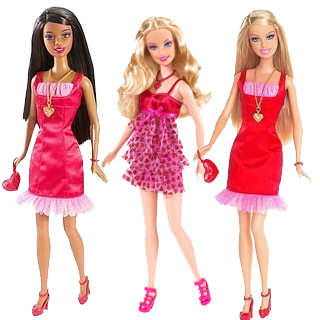
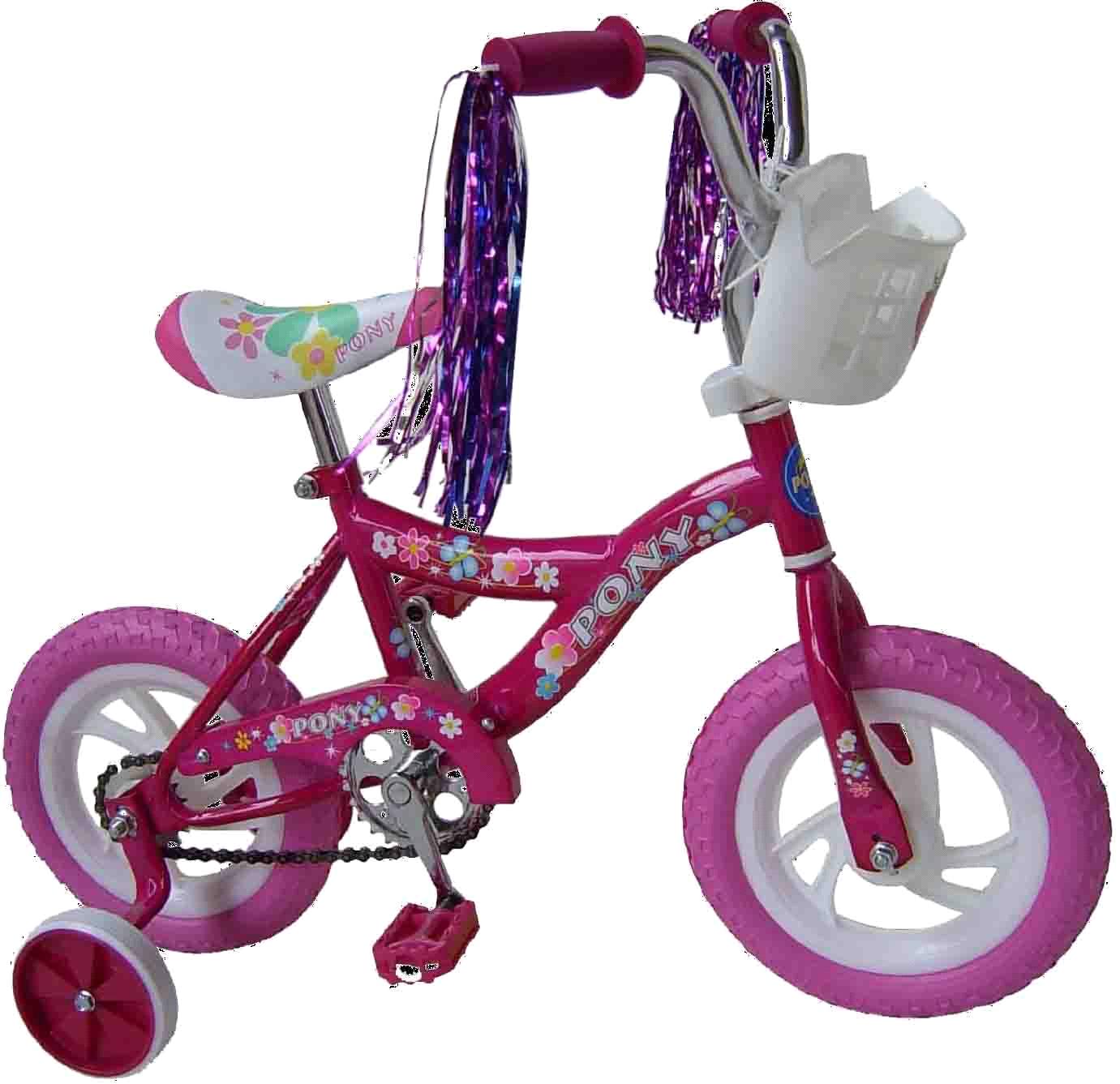
During my childhood days I can recall being engaged in play activities a lot both in and out of my home environment. I can remember my mom bought a big chalkboard for my sister and I to play with and we would use it to pretend teaching one another. We also used it to teach our dolls and plants at home. We were allocated a lot of playtime experiences. At school we were given a lot of opportunity to play both in and out of the classroom environment. Play activities were sometimes planned by my teacher and sometimes we were just allowed free play session wherein we did anything that we felt like doing with our friends. Therefore, I can truly say that play was fully supported by both my family members and educators as a young child growing up.
As it relates to play today, I have observed that not everyone supports it. Some people believe that the children are just running up and down and making noise. I also have observed that even at some schools the whole process of play is ignored and children are exposed to a structured setting of learning, they are not given the opportunity to express and socialize through play as they would have like to at all. I therefore, can strongly say that the whole process of play today is totally different to what I was exposed to as a child. However, I strongly hope that everyone that is involved in interacting with children on a daily basis be educated about the important of play towards the growth and development of their children because through play children are capable of learning skills that no one else can teach them. This is simply because play is self-oriented and intrinsically motivated that unfolds naturally from within.
My thoughts as it regards to the role of play throughout life is that it is very essential towards the development of domains for example brain development which is very crucial in everyone lives. Therefore, I strongly believe that it should be exercised throughout one's life leading into adulthood.
Subscribe to:
Comments (Atom)